
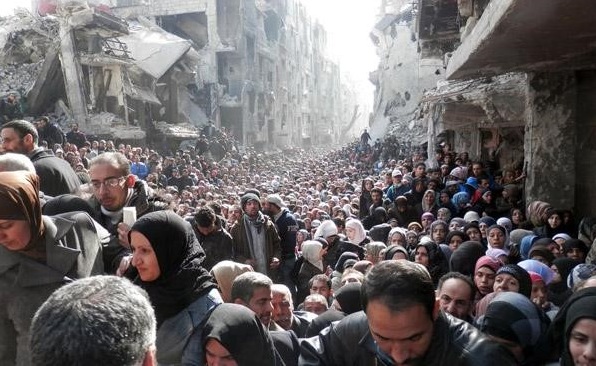

The ongoing conflict between Hamas and Israel is not just a dispute but a severe humanitarian crisis that has devastated countless Palestinian lives.
The escalating violence has led to extensive loss of life, displacement, and destruction of homes, resulting in disproportionate suffering among Palestinians. This situation is often described as genocidal, underscoring the critical need for international support.
In response, the Australian government has introduced several initiatives to provide relief, including visa support and financial assistance. While these efforts reflect an important step in addressing the situation, there is room for improvement to ensure that the needs of those affected are fully met
ICJ Judgment on the Israel-Palestine Conflict: Protecting Palestinian Rights
The International Court of Justice (ICJ) has issued key rulings regarding Israel’s actions in Palestinian territories, emphasizing the need to protect the rights of Palestinians under international law. The Court has highlighted violations of humanitarian and human rights laws, particularly concerning the blockade of Gaza, home demolitions, and settlement expansions. These actions have severely affected Palestinian rights, including their right to self-determination, freedom of movement, and access to essential services. Despite the ICJ’s rulings, enforcement remains a challenge, with Palestinian rights continuing to be undermined.
One notable case brought by South Africa under the Genocide Convention accused Israel of acts that could be considered genocidal, with the Court issuing provisional measures to prevent and punish such actions. The ICJ’s ruling is a strong affirmation of the rights of Palestinians, urging Israel to cease actions that disproportionately affect civilians, and calling for international cooperation to ensure compliance with the decision. However, enforcing these rulings remains a challenge, as implementation depends on the international community’s collective will to pressure Israel into compliance.
Australian Government’s Visa Support: A Step in the Right Direction
The Australian Department of Home Affairs has established visa programs to assist those impacted by the Hamas-Israel conflict, including Bridging Visas and Humanitarian Visas. These initiatives offer temporary relief and legal protection for individuals fleeing violence.
The Bridging Visa E (BVE) (Subclass 050) allows Palestinians from conflict zones such as Gaza and the West Bank to remain in Australia legally while their immigration status is resolved. This visa provides essential benefits, including full work rights, access to Medicare, and free interpreting and translating services. However, the application process can be challenging due to requirements such as maintaining lawful status and holding no other visa, which can be particularly difficult for those escaping conflict.
Similarly, the Refugee Visa Program offers permanent resettlement for individuals facing persecution in their home countries. Palestinians experiencing daily violence are prime candidates for these visas. Yet, the lengthy and complicated application process, particularly with stringent documentation and health assessments, poses challenges for many.
The Challenge of Documentation
A significant hurdle for Palestinians applying for visas is the lack of essential documentation. Many have lost their homes or been displaced, making it nearly impossible to gather necessary documents. While the Australian Department of Home Affairs attempts to accommodate these circumstances, the process remains cumbersome.
Recommendations for Improvement:
- Simplify Documentation Requirements: The Australian Government could consider accepting alternative forms of evidence, such as sworn affidavits, for those unable to provide traditional documents.
- Expedite Processing Times: Streamlining the visa application process, particularly for individuals from conflict zones, could provide quicker relief.
- Flexible Health Assessments: Adjusting health assessment requirements for those with limited access to medical facilities in conflict areas could also make the process more accessible.
Financial Assistance: A Necessary Lifeline
In addition to visa support, the Australian Government, through the Australian Red Cross, provides emergency financial assistance. This aid helps individuals meet their basic needs upon arrival, including food, shelter, and medicine. The government has allocated additional funds for the 2024-25 period, bringing the total to $3 million over two years. However, given the scope of the crisis, there may still be a need for increased funding to adequately support those arriving in Australia.
Recommendations for Improvement:
- Increase Funding: Expanding financial assistance would ensure that more individuals receive the support they need to rebuild their lives.
- Enhanced Support Services: Additional services, such as mental health counseling and community integration programs, would further aid in the transition and well-being of newly arrived Palestinians.
Exiting Gaza: A Near-Impossibility
For Palestinians in Gaza, leaving the conflict zone is especially difficult due to border restrictions. These barriers limit the ability of the Australian Government to assist with evacuations and resettlements.
Recommendations for Improvement:
- Advocate for International Cooperation: Australia could work with international partners to negotiate safe corridors or humanitarian aid routes for those trying to flee Gaza.
- Support Evacuation Efforts: Continued support for international evacuation efforts could provide a path to safety for those most at risk.

Emergency Relief and Assistance
The Australian Red Cross plays a key role in providing emergency relief, but the scale of the crisis may require broader eligibility criteria and increased funding to meet the growing needs of those displaced by the conflict.
Recommendations for Improvement:
- Broaden Eligibility: Adjust eligibility criteria to include a wider range of individuals affected by the conflict, ensuring that more people receive necessary assistance.
- Increase Relief Funding: Allocate additional funds to ensure that all basic needs are met and that support remains sufficient as the scale of the crisis evolves.
A Call for Greater Support
Australia’s initiatives, led by the Department of Home Affairs, reflect a strong commitment to providing relief to those affected by the conflict. However, given the scale of the crisis, these measures could be enhanced to offer more comprehensive support to the Palestinian people.
In light of this, there is an opportunity for Australia to further simplify visa processes, increase financial assistance, and support international efforts to provide safe passage for those fleeing the violence. By doing so, Australia can continue to play a vital role in offering meaningful support to those most in need, while upholding its values of humanitarian assistance and global cooperation.
Recommendations for Improvement:
- Revise Visa Systems: Implement more flexible visa systems that reflect the severity of the Palestinian situation. Simplifying the process and reducing documentation requirements will provide more effective relief.
- Enhance Financial Support: Increase financial assistance to better support individuals and families as they rebuild their lives in Australia.
Conclusion
The Gaza crisis is a significant humanitarian emergency, with far-reaching consequences for those impacted. While Australia has taken important steps through its visa support and financial assistance programs, more could be done to meet the urgent needs of Palestinians caught in the conflict.
By simplifying visa processes, increasing financial aid, and supporting international evacuation efforts, Australia can provide crucial assistance to those facing extreme hardship. This is an opportunity to demonstrate compassion and solidarity with those affected by one of the world’s most challenging humanitarian crises, offering a path to safety and hope for a better future.
Sources:
(Hamas-Israel Conflict: Visa Support and financial assistance, 2024)
(ICJ, 2024)
(Refugee category visas – Subclass 200, 201, 203 and 204, 2024)
(Global Special Humanitarian visa – Subclass 202 , 2024)
(Emergency relief support, 2024)