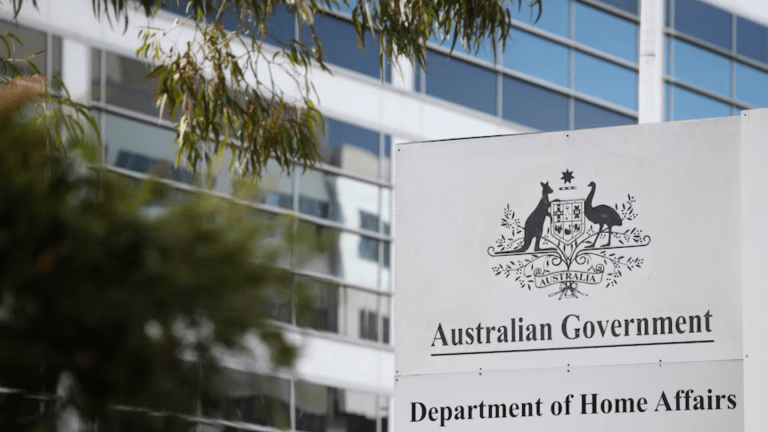
Delays in visa processing by the Department of Home Affairs (DHA) have become a recurring challenge for both visa applicants and sponsoring employers in Australia. These delays, particularly within the employer-sponsored and skilled migration streams, highlight ongoing administrative and demand pressures. This article reviews the current situation, relevant causes, and practical implications using official and industry-validated information.
- Background: The Visa Framework
The Temporary Skill Shortage (TSS) Visa – Subclass 482 allowed Australian employers to sponsor skilled overseas workers where suitably qualified local candidates were not available. On 7 December 2024, the Australian Government introduced the Skills in Demand (SID) Visa, replacing parts of the TSS framework and introducing new streams such as Core Skills and Specialist Skills.
Processing time benchmarks for these and related visas are published on the Home Affairs Global Visa Processing Times page, which remains the primary reference for official timeframes.
- The Data: Processing Times and Trends
Official figures show wide variation across visa subclasses and streams, reflecting differences in caseloads, policy transitions, and complexity.
- For the SID 482 – Core Skills Stream, about 50% of applicationsare processed in roughly 79 days, while 90% take up to four months.
- For the Specialist Skills Stream, processing is faster, with half finalised in around one monthand most within two months.
- The former TSS 482 visa streams(Short-Term and Medium-Term) continue to show longer timelines, with many applications taking 7–11 months.
These variations demonstrate a clear lengthening compared to pre-2023 processing averages, when most employer-sponsored visas were decided in under three months.
- Causes of Processing Delays
Several interconnected factors explain the continued delays across the skilled visa system:
- Rising application volumes: Employer-sponsored programs remain in high demand as businesses seek skilled labour post-pandemic.
- Policy transition effects: The shift from TSS to SID introduced additional administrative and assessment steps.
- Incomplete or inaccurate documentation: Missing nomination evidence, employment records, or skill assessments often extend assessment times.
- Health, character, and security checks: Some applicants undergo extended verification depending on country of origin and background.
- Departmental prioritisation and staffing: DHA resources are allocated based on national skills priorities, sometimes slowing non-priority streams.
- Implications of the Delays
Processing delays carry tangible effects for all stakeholders:
- Employersface postponed onboarding, contract disruptions, and uncertainty in workforce planning.
- Applicantsexperience anxiety, delayed relocation, and complications in meeting employment start dates.
- Migration plannersmust now factor longer wait periods into compliance and scheduling advice.
These delays can also undermine Australia’s stated policy goal of attracting global talent quickly to address critical skills shortages.
- Practical Advice for Applicants and Sponsors
To minimise risks associated with delay, stakeholders should:
- Ensure complete, accurate documentationbefore submission.
- Respond promptlyto any departmental requests for additional information.
- Check which stream or subclassapplies, as timeframes vary significantly.
- Monitor the official Home Affairs processing time toolfor updates.
- Allow realistic timeframes in employment contracts or relocation plans.
- Current Processing Times (as of October 2025)
| Visa Subclass | Stream / Pathway | Median (50 %) | 90th Percentile (90 %) | Source |
| Skills in Demand (SID) – Subclass 482 | Core Skills | ~79 days | ~4 months | racc.net.au |
| SID – Subclass 482 | Specialist Skills | ~29 days | ~65 days | racc.net.au |
| Employer Nomination Scheme – Subclass 186 | Direct Entry | ~12 months | ~18 months | racc.net.au |
| Employer Nomination Scheme – Subclass 186 | Transition Stream | ~14 months | ~17 months | racc.net.au |
| Temporary Skilled (General Category) | Various | ~84 days | N/A (not specified) | immi.homeaffairs.gov.au |
Median indicates half of all applications are finalised within this timeframe, while the 90th percentile reflects when 90% of applications are completed.
Conclusion
Processing times across skilled and employer-sponsored visas remain longer than ideal, reflecting both administrative transition and sustained demand. While the new Skills in Demand Visa offers faster options for certain streams, applicants and sponsors should plan for possible delays of several months. Early preparation and complete documentation remain the most effective ways to avoid unnecessary waiting.