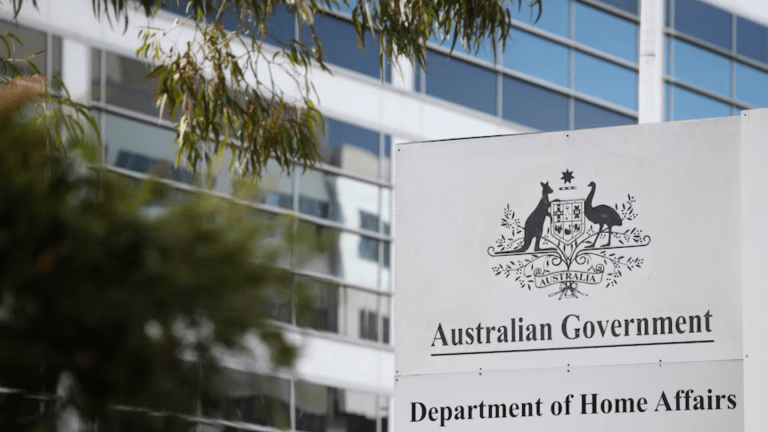
When an Australian business sponsors a worker under visas such as the Subclass 482 or Subclass 186, the responsibility does not end once the visa is granted. Employers must maintain proper sponsorship record keeping Australia requirements as part of their legal obligations.
These immigration compliance records allow the Department of Home Affairs and the Australian Border Force (ABF) to confirm that businesses are meeting sponsor obligations and employing workers under the approved conditions.
For employers, the key is understanding what records must be kept, how long they must be stored, and when they may be reviewed by regulators.
Why Sponsorship Records Are Required
Australian migration law requires sponsors to maintain clear employer sponsorship documentation to ensure transparency and accountability.
These records help demonstrate that:
- The sponsored worker is employed in the approved occupation
- The worker is paid according to Australian market salary requirements
- Sponsorship costs have not been passed to the employee
- The employment conditions are consistent with the approved nomination
Without proper visa sponsor record requirements, employers may struggle to prove compliance if questioned by regulators.
For this reason, record-keeping is considered a core part of sponsor compliance records.
Mandatory Records Employers Must Keep
Businesses sponsoring overseas workers must maintain several categories of immigration compliance records.
Common employer sponsorship documentation includes:
Employment documentation
- Signed employment contracts
- Position descriptions outlining duties
- Records confirming the work performed matches the nominated occupation
Salary and payroll records
- Payslips and payroll reports
- Evidence that salary meets the market salary rate
- Superannuation contribution records
Workplace comparison records
- Evidence showing the sponsored employee receives comparable employment conditions to Australian workers where relevant
Migration-related documentation
- Copies of nominations and visa approvals
- Labour market testing evidence where required
- Records of notifications made to the Department of Home Affairs
Together, these documents form the foundation of the sponsor compliance records that regulators may request during monitoring activities.
How Long Records Must Be Kept
Under Australia’s sponsorship obligations, businesses must retain immigration compliance records for at least five years.
This requirement generally applies to records connected with:
- The employment of the sponsored worker
- Salary payments and employment conditions
- Notifications made to the Department of Home Affairs
Because audits may occur years after a worker leaves the organisation, employers should ensure their sponsorship record keeping Australia systems allow documents to be stored securely and retrieved easily.
When ABF or Home Affairs May Audit Employers
The Department of Home Affairs and the Australian Border Force (ABF) have the authority to monitor sponsors to ensure compliance with migration laws.
An ABF audit employer sponsorship review may occur through document requests, site visits, or formal compliance inspections.
Common triggers include:
- Complaints from employees
- Random monitoring activities
- Significant increases in sponsored workers
- Salary inconsistencies or employment condition concerns
- Changes in business operations
During an audit, regulators may request access to visa sponsor record requirements and other sponsorship documents to verify compliance.
Failure to provide adequate records may lead to penalties, including fines, suspension of sponsorship approval, or cancellation of sponsorship status.
Best Practice Compliance Systems
Businesses sponsoring overseas workers should treat record-keeping as part of their broader workforce compliance strategy.
Some practical steps include:
Create a structured sponsorship file
Maintain a dedicated folder for each sponsored employee containing all relevant documentation.
Use digital compliance systems
Cloud-based HR or document systems can simplify the management of sponsor compliance records.
Conduct periodic internal checks
Review payroll records, duties performed, and visa conditions to ensure the business remains compliant.
These steps can significantly reduce risk and help employers respond quickly if regulators request immigration compliance records.
For Australian employers, maintaining accurate sponsorship record keeping Australia systems is not just an administrative task. It is a legal requirement that protects the business if immigration authorities review sponsorship arrangements.
By keeping clear employer sponsorship documentation, businesses can demonstrate compliance and continue accessing overseas talent to support their workforce needs.