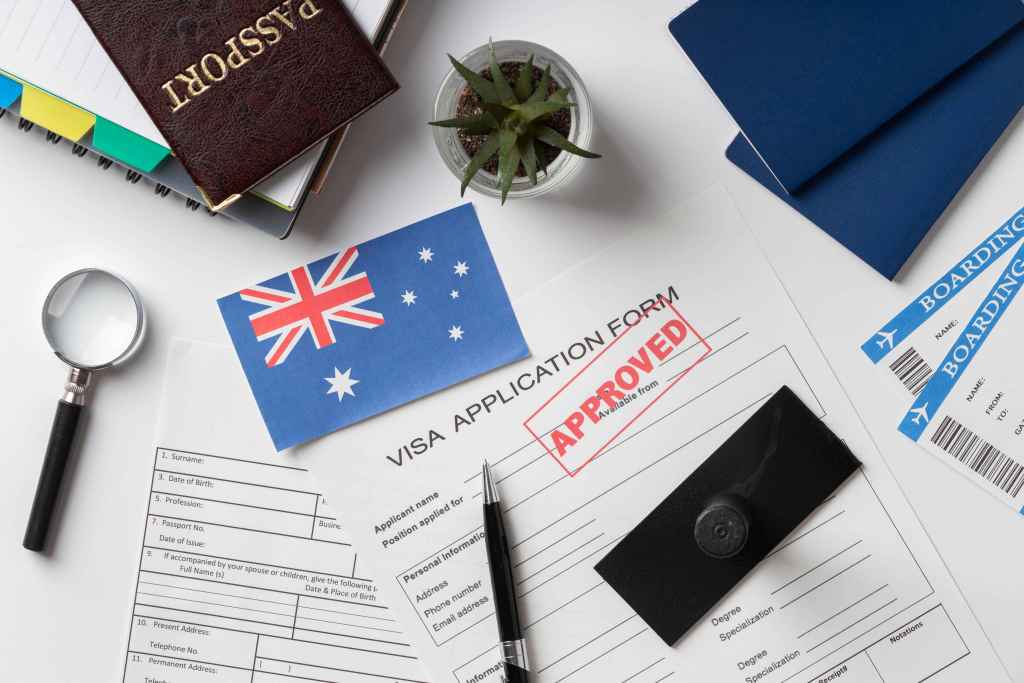
Australia remains a highly desirable destination for migrants worldwide, offering a high quality of life, diverse culture, and robust economic opportunities. As a paralegal and administrative assistant working within the Australian immigration system, I have observed firsthand the complexities and nuances involved in navigating Australia’s visa and immigration processes. This article aims to provide an overview of the key pathways to Australian immigration, along with practical tips to assist prospective applicants.
Understanding the Main Visa Pathways
Australia offers a range of visas tailored to various needs, including skilled migration, family reunion, humanitarian, and student visas. The most common pathway for skilled workers is through the General Skilled Migration (GSM) program, which includes subclasses such as the Skilled Independent (subclass 189), Skilled Nominated (subclass 190), and Skilled Work Regional (Provisional) (subclass 491) visas.
Skilled Migration: This program assesses applicants based on points scored for age, education, work experience, English proficiency, and other factors. A successful application often requires a positive skills assessment from an authorized assessing authority.
Family Visa: These visas enable Australian citizens and permanent residents to sponsor family members, including partners, children, and parents.
Student and Working Holiday Visas: These provide opportunities for international students and young travelers to study and work temporarily in Australia.
The Application Process and Common Challenges
The application process typically involves several stages:
- Expression of Interest (EOI): Applicants submit an EOI through Skill Select, where they are scored based on various criteria.
- Invitation to Apply: Based on the EOI ranking, eligible candidates receive an invitation to lodge a visa application.
- Application Submission: Detailed documentation, including skills assessments, health checks, and character clearances, must be provided.
- Decision and Grant: Processing times vary, and applicants are notified of the outcome.
Common challenges include managing complex documentation requirements, meeting health and character standards, and navigating changing immigration policies.
Practical Tips for Applicants
- Start Early and Stay Informed: Immigration policies frequently change. Regularly check the Department of Home Affairs website for updates.
- Ensure Accurate Documentation: Submit complete and truthful information to avoid delays or refusals.
- Seek Professional Advice: Consulting registered migration agents or legal professionals can improve the quality of your application.
- Prepare for Health and Character Checks: Early preparation can prevent delays caused by missing or incomplete reports.
The Role of Administrative Support in Immigration Processes
Behind the scenes, administrative assistants and paralegals play a vital role in supporting applicants and ensuring smooth processing. Tasks include organizing documentation, communicating with applicants, and liaising with government agencies. Attention to detail and understanding of the legal framework are essential skills in this field.
Conclusion
Navigating the Australian immigration system can be complex, but with proper preparation and guidance, applicants can enhance their chances of success. Whether pursuing skilled migration, family reunification, or study opportunities, understanding the pathways and requirements is crucial. As part of the immigration support community, our goal is to facilitate smooth applications and help individuals realize their Australian dreams.