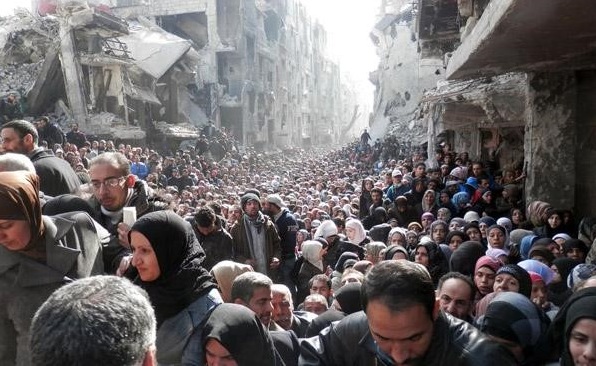
The Sri Lankan Civil War which ended in 2009, deeply affected the Tamil ethnic minority. As an Australian-Tamil Lawyer, born to Immigrant parents who left Sri Lanka in the early 1980s, I have seen the ever-lasting impact within the Tamil community. Though the war ended over 15 years ago, systemic discrimination, injustice, and Human Rights abuses persist. The government’s counterinsurgency operations led to widespread abuses, including detentions, disappearances, torture and even killing – especially in the war’s final stages.
Ongoing Struggles with Australia’s Refugee Policies
Australia became a key destination for Tamil refugees, with a significant increase in asylum seekers in the 1990s and 2000s. These Immigrants brought with them the trauma of war, loss, and displacement. To enter Australia, Tamils have typically applied for humanitarian visas, including the Protection Visa (subclass 866) and Temporary Protection Visa (TPV) (subclass 785), which granted refugees and asylum seekers the right to stay in Australia if they can prove they face persecution in their home country. Furthermore, The Refugee Visa Program similarly provides a path to permanent resettlement for individuals fleeing persecution in their home countries. People enduring daily violence are key candidates for these visas. Many Tamil applicants still face rejection, despite their genuine fears of returning to Sri Lanka due to the war’s legacy and ongoing Human Rights concerns.
Some Reasons for Rejections: The reasons for rejection can be varied and complex. Some applicants are denied due to doubts raised about their claims of persecution or because they failed to provide sufficient evidence of the risks they face. In many cases, applicants are assessed under stringent criteria and questioned about the authenticity of their claims, even though they may be fleeing from post-war instability, threats from former enemies, or ongoing discrimination. These rejections often lead to prolonged periods of uncertainty coupled with the challenges that Tamil asylum seekers face within the diaspora.
International Criminal Court (ICC) and the United Nations (UN) involvement
In response to the atrocities that occurred in Sri Lanka, both the United Nations (UN) and the International Criminal Court (ICC) have played pivotal roles by raising humanitarian concerns, commencing peacekeeping initiatives, implementing international laws in an effort to address alleged war crimes during the genocide. The UN established various mechanisms to address Human Rights violations, including the 2011 UN Panel of Experts report on Sri Lanka, which found credible evidence of war crimes committed by the Sri Lankan military. Despite these findings, the Sri Lankan government has consistently failed to hold perpetrators accountable. While some progress has been attempted, including UN resolutions calling for an independent international investigation into war crimes, the Sri Lankan government has resisted these efforts, opting instead for domestic mechanisms that lack transparency and accountability. As a result, many Tamil families still grieve the loss of loved ones who disappeared or were killed, with little hope for redress.
Australian Detention Centres
Many Tamils remain in Australian detention centres, waiting for visa decisions or battling deportation. Facilities like those on Christmas Island and the mainland subject detainees to poor conditions, worsening their trauma. Some have been held for years, awaiting asylum outcomes. The prolonged detention not only significantly impacts the mental health of those involved but also leaves them without a clear future, trapped in a bureaucratic nightmare.
Australian implementation of Immigration Laws
In response to these challenges, Australia has implemented several immigration laws and policies aimed at supporting refugees and asylum seekers. However, these measures remain contentious. The Migration Act 1958 provides the legal framework for refugee protection, while the Australian Government has introduced specific measures like the Refugee and Humanitarian Program, which aims to grant asylum to those facing threats to their safety. However, the legal and bureaucratic process is still difficult, and the “boat turnback” policy, along with mandatory detention, continues to face strong criticism from Human rights groups.
Discussions around Refugee Policy and Immigration Laws
- Regional Processing: Australia has maintained its policy of offshore processing for asylum seekers who arrive by boat. This policy has faced criticism from Human Rights organisations and advocates, and there have been discussions about the future of these arrangements.
- Temporary Protection Visas (TPVs): There has been ongoing debate about the use and conditions of Temporary Protection Visas, which are issued to some refugees instead of permanent protection. The government has faced pressure to provide more pathways to permanent residency for individuals on TPVs.
- Community Support and Refugee Advocacy: Various advocacy groups and community organisations in Australia have been pushing for reforms to provide better support for refugees and asylum seekers, including calls for an increase in the refugee intake and improved access to mainstream services.
- Impact of Global Events: The situation of displaced persons worldwide, including crises in Palestine, Afghanistan, Syria, and more, has impacted Australia’s refugee intake and policies, leading to calls for increased humanitarian responses.
The Pilot Program – Skilled Refugee Labour Agreement (The Pilot)
The Australian Government recently introduced a new initiative, the Skilled Refugee Labour Agreement Pilot (the Pilot), which offers businesses access to a skilled talent pool to fill vacancies. This pilot, running until June 2025, was developed in collaboration with Talent Beyond Boundaries (TBB). It enables employers to recruit skilled refugees, including doctors, engineers, trade workers, and software developers, who often face challenges meeting standard visa requirements. The program helps overcome barriers for refugees seeking skilled migration pathways to Australia by providing support in recruiting, visa applications, and settlement. Through this program, refugees gain employment opportunities and a chance to start a new life with purpose.
Conclusion
The Tamil community’s pursuit for justice is far from over. The path to reconciliation and healing is undeniably long and challenging. Without genuine legal accountability and meaningful action, the cycle of injustice, trauma, and impunity will continue to haunt generations. In Australia, while immigration laws have provided some measure of relief for refugees and asylum seekers, many Tamils still find themselves trapped in a state of uncertainty, facing harsh conditions and limited prospects. As we await much-needed reforms that could pave clearer, more secure pathways for refugees to rebuild their lives, it is essential that Australian immigration policy evolves. It is critical that we, as a society, do more than simply provide temporary relief. We must ensure that every refugee, every asylum seeker, is treated with the respect, care, and compassion they deserve, and that Australian immigration laws are a means to heal.